Explainer
Why Games Wipe: The Case for Fresh Starts
Losing your progress sounds like a bad deal, yet wipe-based games keep growing. Here’s why developers reset economies — and why many players look forward to it.
By WipeTracker Team · Published
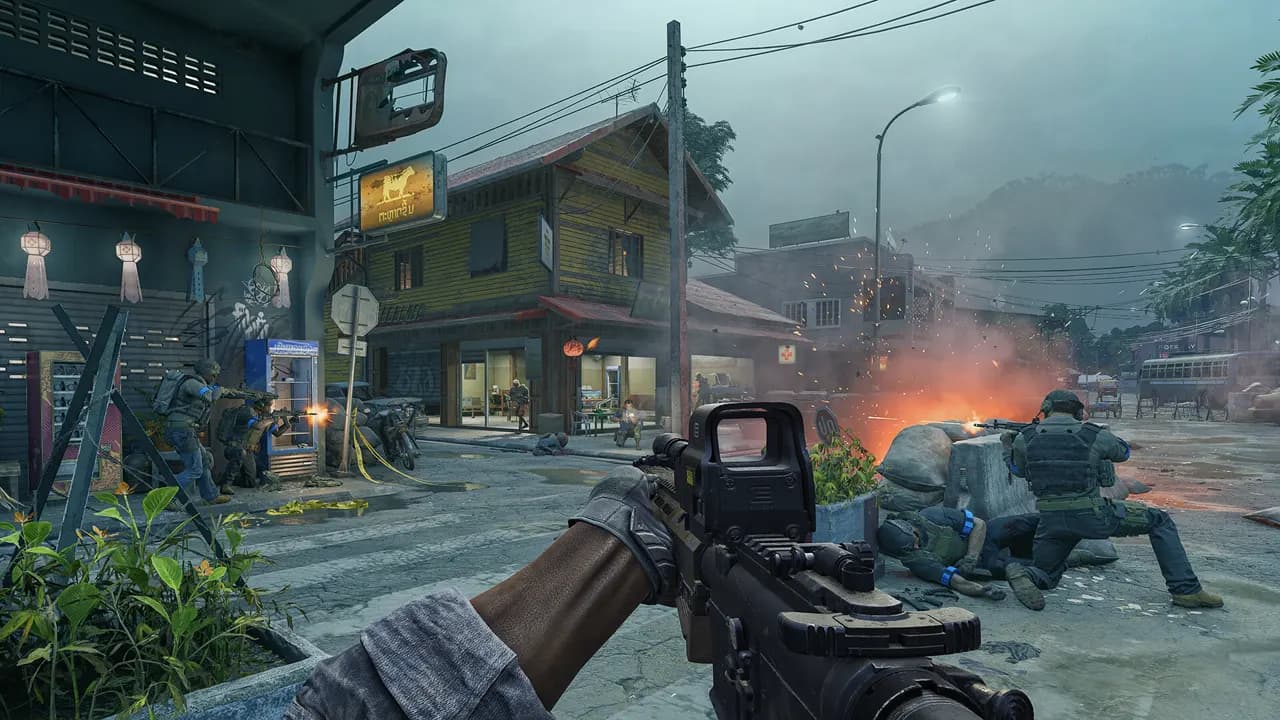
On paper, a wipe is a strange design choice. You spend weeks or months building a character, a stash and a reputation, and then the developer deletes it — or moves it somewhere nobody plays. Yet the games built around resets, from extraction shooters to action RPG leagues, are some of the most played on Steam. Wipes aren’t a cost players tolerate; for many, they’re the main event.
Economies inflate
Any game where players can trade has an economy, and economies without a reset only grow. Currency enters the game every time someone kills a monster or completes a raid, and much less of it leaves. After a few months, prices climb, top-tier gear becomes common, and the items that felt rare on day one are worth almost nothing.
Developers can fight this with currency sinks and balance changes, but there’s a limit to what tuning can fix. A wipe is the cleanest solution: everyone’s balance goes back to zero and the economy rebuilds from scratch.
New players can’t catch up
In a game with competitive or shared spaces, a player who started yesterday is competing against people with months of accumulated gear. That gap makes the game hard to recommend to friends. A wipe gives everyone the same starting line, and a new season is the easiest moment to bring someone in: nobody has an advantage yet, and the whole community is relearning the game together.
The early game is the fun part — for a lot of people
Ask players of wipe-based games which part of a season they enjoy most and a common answer is the first week. Every upgrade matters, every decision feels important, and the market changes by the hour. By the end of a season, many players have “finished” — nothing left to chase, nothing left to fear losing.
A reset brings that tension back. It’s also why many players take breaks mid-season and return on wipe day, which is exactly the habit our countdowns exist to support.
Developers get a clean slate
Big changes — new progression systems, reworked maps, rebalanced loot — are easier to ship when nobody is carrying old items that break them. That’s why wipes often line up with major patches. Gray Zone Warfare wiped with each major Early Access update, and Dark and Darker tied its early wipes to numbered patches before moving to seasons.
Not everyone wants to start over
The strongest argument against wipes is simple: some players have less time, and losing progress hurts more when you can only play a few hours a week. The industry has responded with softer models:
- Seasonal fresh starts keep your old characters in a permanent mode, so nothing is deleted. Path of Exile, Diablo IV and Last Epoch work this way.
- Opt-in seasons, like Escape from Tarkov after 1.0, run the wipe experience on separate servers for those who want it.
- Rewarded resets, like ARC Raiders’ Expeditions, let you choose to reset in exchange for permanent bonuses.
- Soft wipes reset only part of your progress, as Gray Zone Warfare did with Rogue Ops.
The trend is clear: fewer games force everyone back to zero, and more let players decide. But the fresh start itself — the shared moment when everyone begins again — remains the heartbeat of these games.
Making the most of a wipe
- Know which type of reset your game uses — our wipe types guide explains each one.
- In full-wipe games, spend your resources before the reset; hoarding is wasted.
- Take your break mid-season, not at the start. The first week is the best time to play.
- Check the exact reset time in your timezone so you’re there when servers open.